Maximizing Efficiency in Sand Transport
Why Quarry Lorry Capacity Matters
In the fast-moving Malaysian construction industry, bulk materials like sand and aggregates form the literal foundation of every project. Yet, while project managers spend endless hours optimizing concrete mix designs and scheduling labor shifts, one critical operational variable is frequently overlooked: logistics efficiency at the site-delivery level.
When moving hundreds or thousands of tonnes of material from quarry or washing plant to construction site, the choice of haulage vehicle dictates your project's timeline and bottom line. Relying on an under-sized or poorly managed fleet creates a bottleneck that ripple across your entire job site.
Understanding how quarry lorry capacity directly impacts sand transport efficiency allows developers, contractors, and project managers to streamline supply chains and protect project margins.
1. The Logistics Bottleneck: Why Sand Transport Is Different
Sand transport presents unique logistical challenges compared to general freight or dry packaged goods:
● High Bulk, Low Margin Per Unit: Raw sand is heavy and relatively inexpensive per unit volume. Transportation costs often constitute a significant percentage of the total delivered price.
● Moisture & Weight Variances: Wet sand weighs significantly more than dry sand. Fleet operators must navigate legal axle weight limits while maximizing volumetric capacity.
● Time-Sensitive Site Operations: Continuous operations like foundation pours or large-scale road-base preparation cannot afford downtime. A 30-minute delay in sand delivery can idle an entire batching plant or site crew.
To overcome these challenges, transport planning must focus on maximizing volume per trip while ensuring strict compliance with local transport regulations.
2. Why Quarry Lorry Capacity Matters
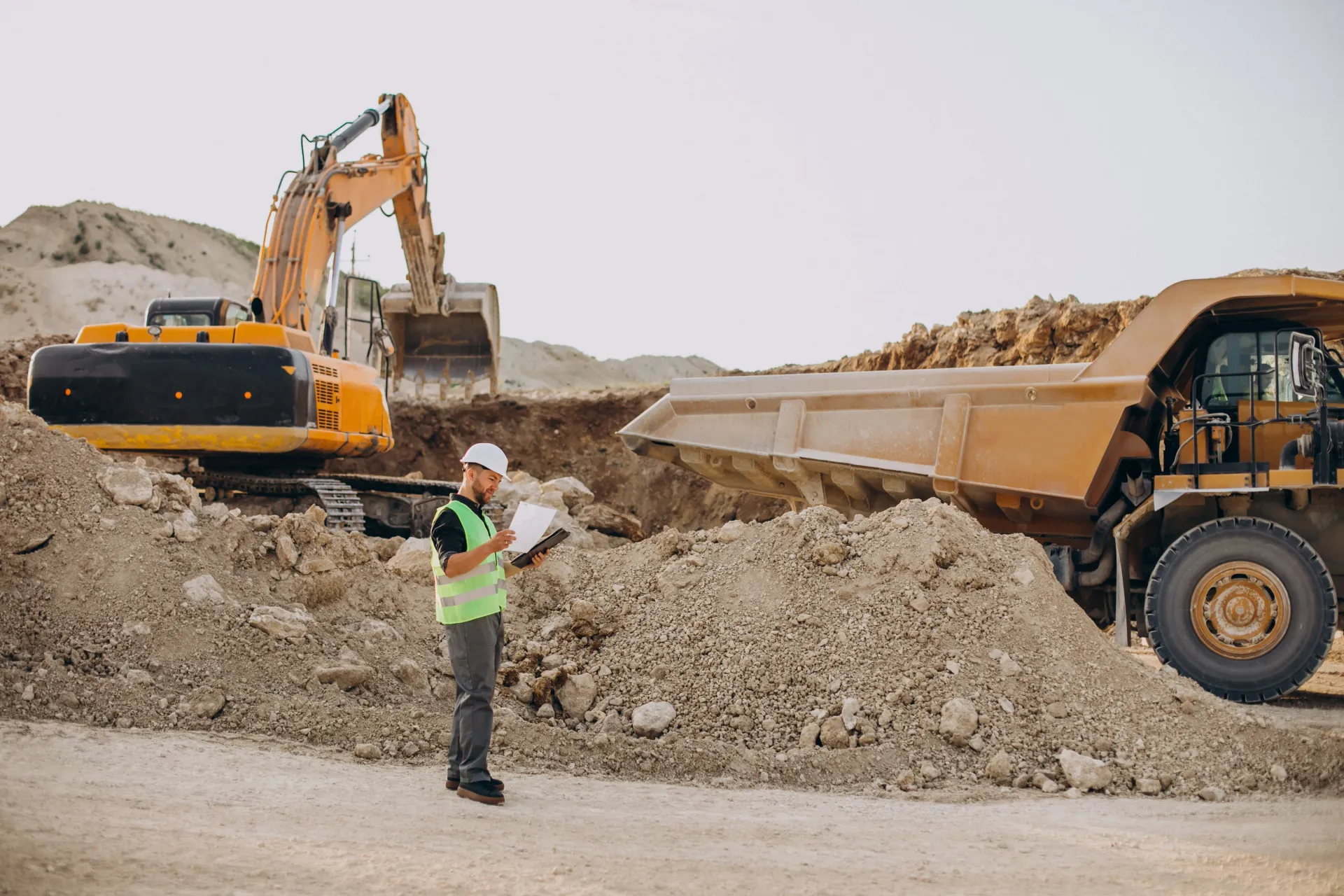
A quarry lorry (typically heavy-duty 10-wheeler or multi-axle tipper trucks built for rugged terrain) is designed specifically for high-payload, bulk material haulage. Choosing the right vehicle capacity changes the entire economics of site delivery.
A. Reduced Cost Per Tonne
The primary financial metric in bulk haulage is the cost to transport one tonne of material over one kilometer.
Larger payload capacity reduces fixed operational overhead per unit of material:
● Driver Labor: One driver hauling a 24-tonne payload replaces two drivers operating 12-tonne trucks.
● Fuel Efficiency: While a larger truck consumes more fuel per kilometer than a smaller vehicle, its fuel consumption per tonne delivered is significantly lower.
● Toll & Permit Charges: Highway tolls and site entry permits are charged per vehicle, not per tonne of payload. Fewer vehicle movements instantly cut these recurring expenses.
B. Fewer Gate Movements and Reduced Site Congestion
Urban and high-density construction sites in areas like Selangor or Kuala Lumpur face severe spatial constraints. Managing dozens of small delivery trucks throughout the day creates site congestion, increases safety risks, and delays turnaround times.
Deploying high-capacity quarry lorries cuts the number of required gate entries in half or more. Fewer vehicles on-site means:
● Faster turnaround times at the unloading zone.
● Reduced risk of on-site traffic accidents.
● Less disruption to surrounding public roads and neighboring properties.
C. Continuous Supply for High-Volume Operations
Large infrastructure builds—such as highway embankments, land reclamation, or large-scale housing developments—require uninterrupted streams of raw materials. Smaller trucks increase the risk of gaps in the supply chain.
A high-capacity fleet ensures that fewer individual deliveries are required to maintain necessary stock levels at site staging areas, buffering your project against unexpected traffic or quarry delays.
3. Key Factors to Evaluate in Quarry Lorry Fleets
When vetting a logistics supplier or selecting tipper trucks for bulk sand transport, look beyond the quoted rate per load. Evaluate these crucial operational criteria:
A. Legal Payload Limits & Axle Configurations
Overloading a truck to force higher capacity is a short-sighted strategy that leads to severe fines, vehicle damage, site bans, and road damage. A professional transport partner utilizes modern, multi-axle tipper lorries engineered to carry maximum payload within legal axle load limits established by the Road Transport Department (JPJ).
B. Fleet Size and Backup Redundancy
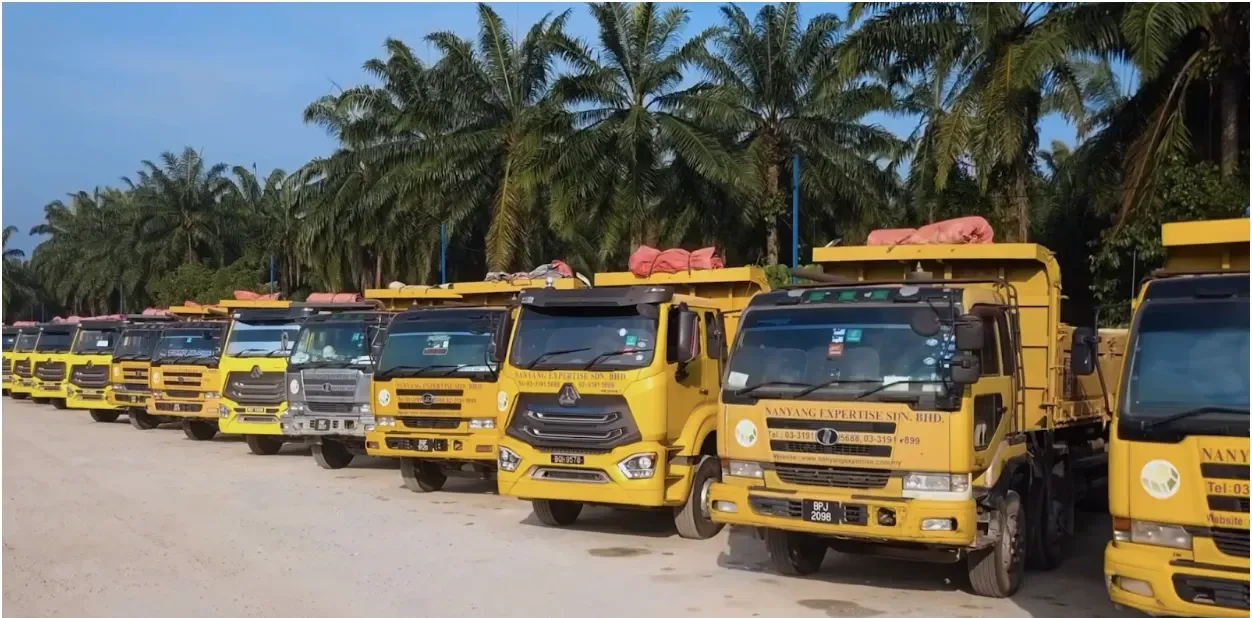
A single high-capacity lorry is helpful, but a large, unified fleet provides true operational reliability. If a transport company operates a small fleet, a single mechanical breakdown can halt your material supply line.
Working with a provider that maintains a large fleet ensures immediate replacement vehicles are dispatched if an unexpected breakdown occurs, keeping your project schedule intact.
C. Off-Road and Rough-Terrain Capability
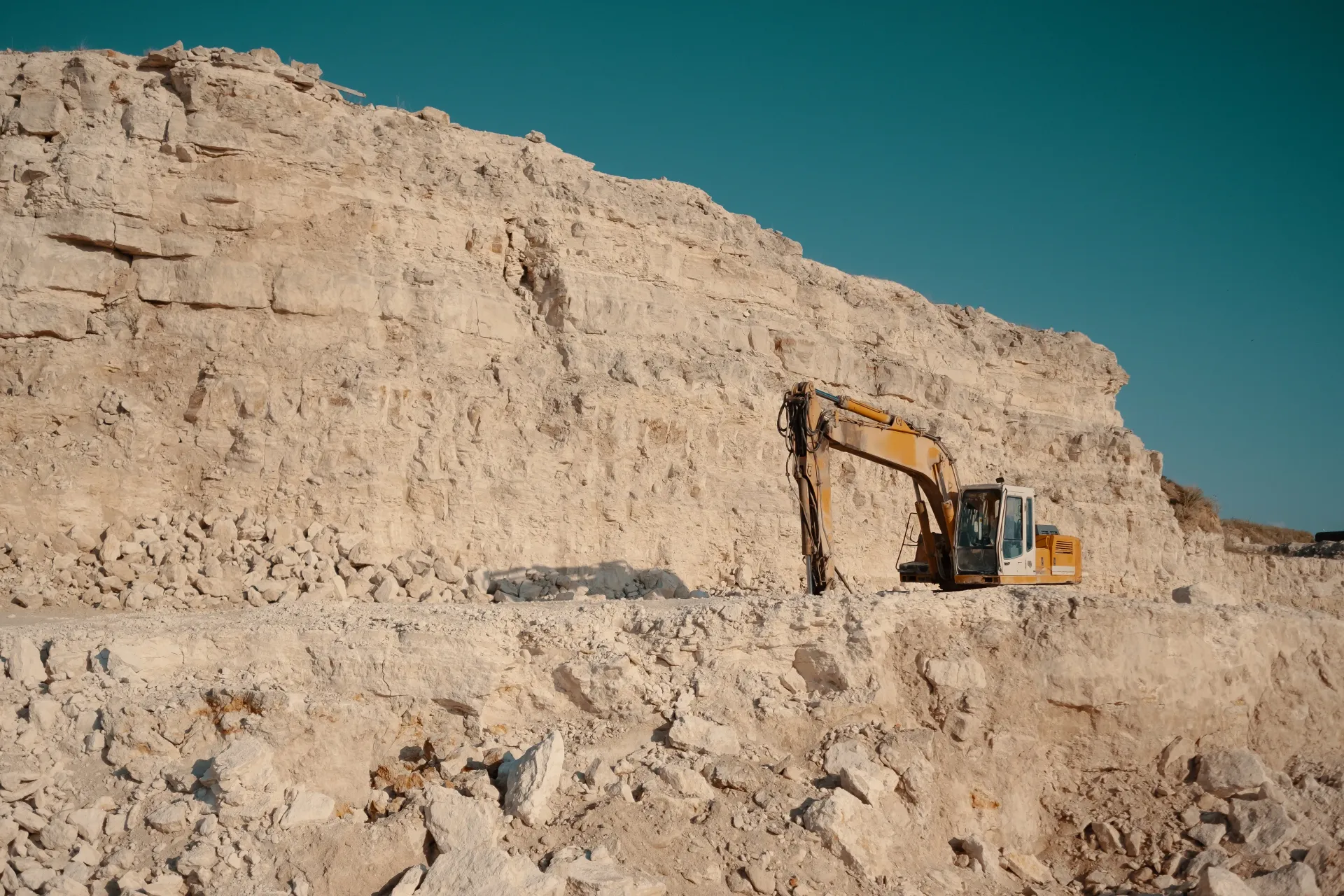
Sand quarries and unpaved construction sites feature soft ground, steep inclines, and muddy tracks—especially during the monsoon season. Standard highway trucks frequently get stuck or suffer axle damage in these conditions. Heavy-duty quarry lorries feature reinforced chassis, heavy-duty suspension, and high-torque drivetrains designed to handle challenging off-road conditions without losing momentum.
4. Practical Strategies to Maximize Sand Transport Efficiency
For contractors and site managers looking to optimize their haulage operations immediately, implement these three practical site strategies:
Step 1: Optimize Unloading Zone Access
Ensure your site's discharge area is wide, well-compacted, and clear of overhead obstacles (such as low-hanging power lines or scaffolding). Fast turnaround times at the dump site maximize the number of daily cycles a quarry lorry can complete.
Step 2: Establish Staggered Delivery Windows
Coordinate with your material supplier to schedule deliveries during off-peak traffic hours whenever local council regulations allow. Moving bulk sand early in the morning or during non-peak hours drastically cuts transit time and fuel burn.
Step 3: Match Material Ordering to Processing Speed
Avoid staging more material than your site can safely store or process, but never allow your inventory to dip below a half-day cushion. Aligning quarry lorry dispatch schedules directly with your daily consumption rates eliminates both material degradation and site downtime.
Conclusion: Logistics as a Strategic Advantage
In modern construction, profitability is determined as much by supply chain execution as it is by engineering skill. Sand transport should not be treated as an afterthought or a simple line-item expense.
By prioritizing high-capacity quarry lorry operations, choosing suppliers with large and well-maintained fleets, and optimizing site receiving protocols, project managers can significantly lower per-tonne freight costs, clear site bottlenecks, and keep projects moving forward on schedule.
Next Steps for Operational Planning:
● Review your site's daily material intake requirements and calculate your current freight-cost-per-tonne.
● Evaluate whether your current transport provider operates dedicated, high-capacity tippers or relies on fragmented sub-contractors.
● Adjust delivery schedules to minimize peak-hour transit delays between the quarry and your site.