Evaluating Construction Material Suppliers
Choosing a construction material supplier is one of the most consequential decisions a project manager or developer will make. In the Malaysian construction landscape—where weather, traffic, and regulatory shifts are constant variables—the supply chain is the backbone of your project’s success.
A common mistake is to view construction materials as a simple commodity where the lowest price wins. In reality, you are purchasing a service and a promise of reliability. This guide outlines seven critical pillars to evaluate when selecting a
building materials in Malaysia partner to ensure your project remains on schedule and within budget.
1. Market Longevity and Proven Track Record
In a volatile industry, experience is the best filter for reliability. A supplier that has operated through multiple economic cycles has likely refined its operations to handle the complexities of large-scale builds.
Why it matters:
● Established Networks: Long-term suppliers often have "preferred" status with quarries and manufacturers, ensuring they get stock even during shortages.
● Crisis Management: They have seen everything from monsoon-related delays to sudden site access issues and know how to pivot.
Actionable Advice: Look for a reliable construction supplier that has been in the market for at least 10–20 years. Ask for a portfolio of past projects that match the scale of your current work.
2. Fleet Strength and Logistics Infrastructure
In construction, materials are only useful if they are on-site exactly when needed. A supplier’s logistics capability is often more important than the product itself.
Key Indicators of Strength:
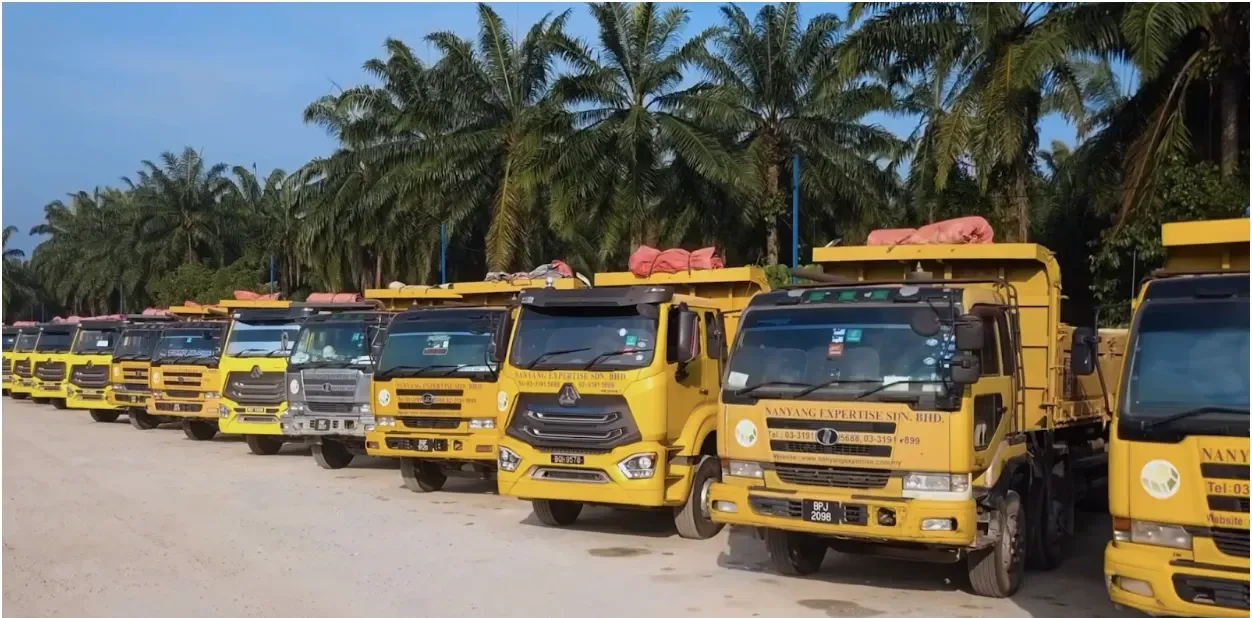
● Owned vs. Sub-contracted Fleets: Suppliers who own and manage their own large fleet of tipper trucks generally have better control over scheduling than those who rely entirely on external logistics companies.
● Redundancy: If one truck breaks down, does the supplier have 50 more to fill the gap? High-capacity logistics ensure that your delivery isn't derailed by a single mechanical failure.
3. Quality Assurance and Regulatory Compliance
Sub-standard materials can lead to structural failures, legal liabilities, and failed site inspections. Quality should be non-negotiable and verifiable.
What to verify:
● Technical Specifications: Ensure the sand, bricks, or aggregates meet the specific grades required for your concrete mix or structural needs.
● Certifications: Check if the materials comply with CIDB (Construction Industry Development Board) standards or other local Malaysian regulations.
● Consistency: Can the supplier guarantee that the 100th truckload will be the same quality as the first?
4. Financial Stability and Scaling Capacity
A supplier’s financial health directly impacts your project’s risk profile. A financially stressed supplier may struggle to maintain equipment or pay their own vendors, which eventually leads to delivery delays for you.
The "Scale" Factor:
If your project suddenly doubles in pace, can your supplier keep up? Ensure they have the financial "muscle" to procure and move large volumes of materials without needing immediate upfront payments for every single load, which can bottleneck your cash flow.
5. Geographical Reach and Local Regulatory Knowledge
Building in the heart of Kuala Lumpur is vastly different from building in rural Perak. Different states and local councils have specific rules regarding heavy vehicle movement, peak-hour restrictions, and permit requirements.
Questions to Ask:
● Do they have experience with the local authorities in your project’s specific area?
● Do they understand the "last-mile" delivery challenges of your specific site (e.g., narrow roads or weight-restricted bridges)?
6. Transparency in Pricing and "Hidden" Costs
The quote on the paper is rarely the final cost if you aren't careful. A professional supplier should offer a clear, transparent breakdown of costs.
Watch out for:
● Fluctuating Delivery Fees: Are transport costs fixed, or do they change based on fuel prices or timing?
● Wastage Factors: Low-quality materials often result in higher wastage. A slightly more expensive, higher-quality aggregate might actually save you money by reducing the volume of rejected material on-site.
7. Communication and Professionalism
Construction is a high-stakes environment. When a delivery is delayed by a road closure or a quarry issue, you need to know before the trucks are supposed to arrive, not two hours after.
Service Benchmarks:
● Dedicated Points of Contact: You should have a specific person to call who understands your site’s unique requirements.
● Documentation Quality: Look for clear delivery orders (DOs), accurate invoicing, and digital tracking capabilities if available.
Final Takeaway for Project Managers
Selecting a reliable construction supplier is about mitigating risk. While cost is always a factor, the "cheapest" supplier often becomes the most expensive when they cause a three-day delay on a critical pour.
Focus on suppliers who demonstrate
logistical depth, regulatory compliance, and a proven history in the Malaysian market. This ensures that your project stays focused on building, rather than troubleshooting the supply chain.
Looking for trusted building materials in Malaysia?
Contact Nanyang Expertise Malaysia today for bulk sand supply, delivery, or site clearing services. Let’s build better together.